
How to Peak or Cut Without Burning Out
- KanulLift.com
- Jul 20
- 4 min read

Getting ready for a vacation, wedding, reunion, family photos, or big event?
If so, you’re probably feeling the pressure to look your best. That’s usually when people start making drastic changes.
They slash calories. Double their cardio, and spend hours in the gym trying to “make up” for the weeks or months they weren’t as consistent.
Trying to cram weeks of progress into the final few days usually leaves you feeling exhausted, frustrated, and wondering why you don’t look the way you expected.
Believe it or not, competitors often fall into the exact same trap before stepping on stage.
Whether you’re preparing for a bodybuilding show or simply trying to feel confident on the beach, your body isn’t going to transform overnight.
The final week isn’t where the magic happens. It’s where you let your preparation do its job. In this blog, I will outline exactly what's needed to peak or cut without burning out. or cut without burning out
What Does It Mean to Peak or Cut Without Burning Out?
For a competitor, it’s called peak week.
For everyone else, it’s simply the last stretch before an event you’ve been working toward.
The goal is exactly the same: Show up looking and feeling your best. Not completely run down.
Too many people think the final week is where they should work the hardest, but it’s actually the opposite.
If you’re making huge changes during the last seven days, chances are you’re trying to fix something that should have been addressed weeks earlier.
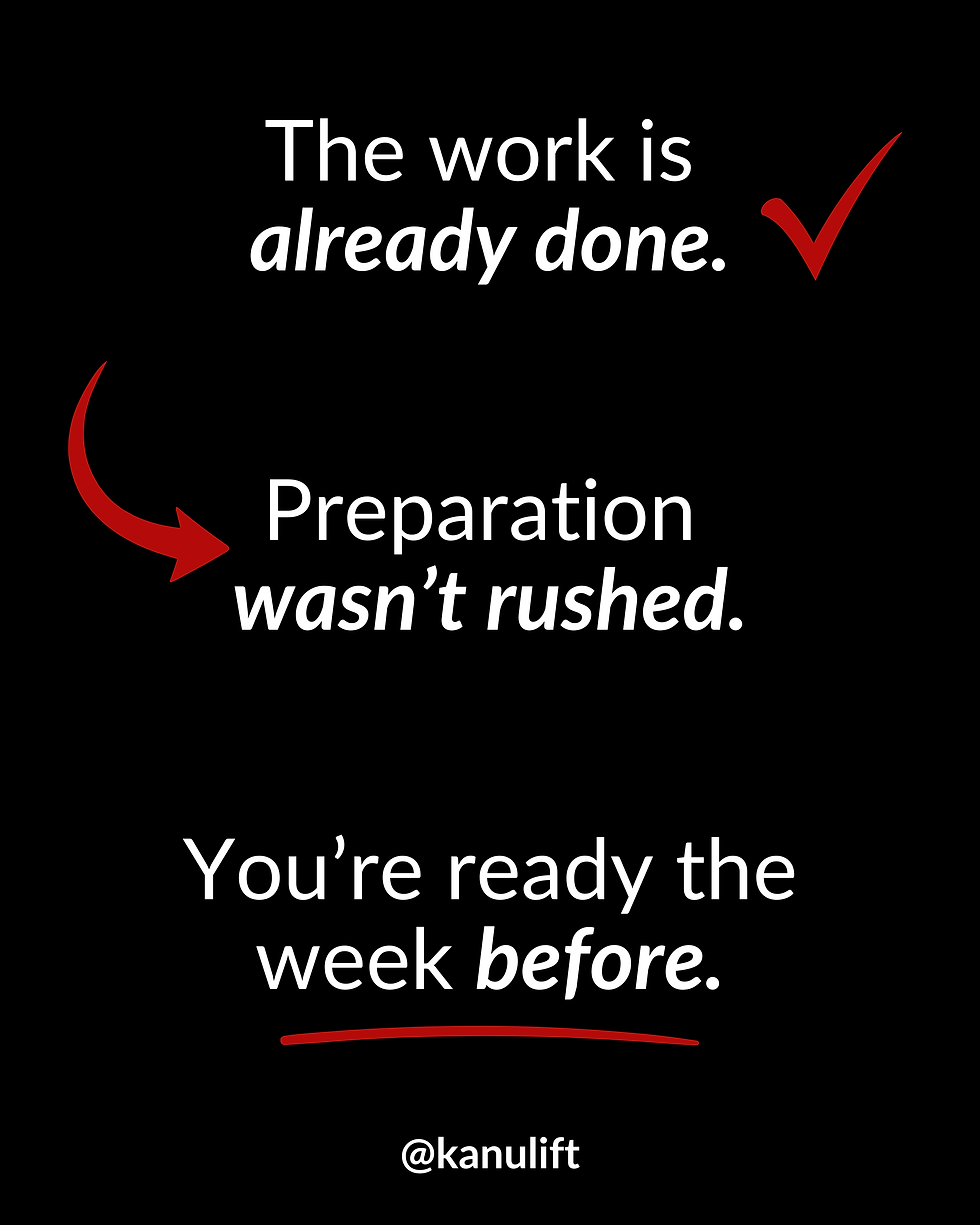
The work should already be done. The final week is about staying consistent and relaxing (because you already put in the work).
More Isn’t Always Better
Most people start to panic the week before the vacation, wedding or big event.
Suddenly every decision feels urgent.
“I should do more cardio.”
“I should stop eating carbs.”
“I should skip a few meals.”
“I should train twice today.”
Almost every one of those decisions comes from emotion instead of logic.
Body fat doesn’t disappear in a few days. Trying to force results usually leaves you flat, tired, and stressed. Consistency almost always beats desperation and if you were training consistently all along, plus being in a deficit, your hard work should have already paid off by the time the event rolls around.
Recovery Matters More Than You Think
One of the biggest mistakes people make is believing they need to push harder the closer they get to their goal.
In reality, recovery becomes even more important. Your body has already been working hard. The final week is the time to support it.
That means:
Prioritizing sleep
Staying hydrated
Managing stress
Following your nutrition plan
Trusting your routine
People usually perform better and look better when they’re recovered. Not when they’re completely exhausted.
Stop Overreacting to Daily Changes
Your body can look different from one day to the next. That’s normal.
One morning you might feel lean. The next you feel bloated.
A salty dinner. Poor sleep. Stress at work. Extra carbohydrates. All of those things can temporarily change how you look.
That doesn’t mean you’ve gained body fat overnight. And that is where people get themselves into trouble. They see one bad weigh-in or one day they don’t love the mirror, so they immediately change everything.
Don’t.
Stick with the plan that got you there.
Trust the Habits That Got You Here
Whether your goal is stepping on stage or looking your best on vacation, the temptation is always the same to do more work, eat less food, then hope for faster results.
But the better approach is actually less exciting.
It’s simple: keep eating the foods that have been working. Keep training. Keep sleeping. Keep managing stress.
Small, consistent habits almost always produce better results than dramatic last-minute changes.
Coaching Helps You Stay Objective
One of the biggest benefits of having a coach isn’t just getting a training program.
It’s having someone who can tell you when not to change anything.
When you’re checking the mirror every morning, it’s easy to become emotional. You notice every tiny detail and convince yourself something is wrong. A coach looks at the bigger picture and they know when your body is exactly where it should be or when adjustments are actually needed.
Stay Ready So You Don’t Have to Get Ready
The people who usually look their best aren’t the ones making the biggest changes during the final week. They’re the ones who stayed consistent long before the deadline.
That’s true for competitors.
It’s true for someone getting ready for vacation.
And it’s true for anyone who simply wants to feel healthier and more confident.
Your body reflects what you’ve been doing for weeks and months, not what you did yesterday. The goal isn’t to burn yourself out trying to catch up. The goal is to stay consistent enough that you don’t have to.
If you’re looking for a coach who can help you build a plan that works with your lifestyle, keeps you accountable, and takes the guesswork out of reaching your goals, click here to schedule a consultation.


